
01
Infection
When there is not enough room for full eruption, gum tissue around a wisdom tooth can become irritated or infected, causing recurrent pain, swelling, and difficulty chewing or swallowing.
Wisdom teeth
Wisdom teeth are often evaluated in the teenage years so potential problems can be identified early. Our surgeons use imaging, examination, and anesthesia planning to make removal as safe and comfortable as possible.
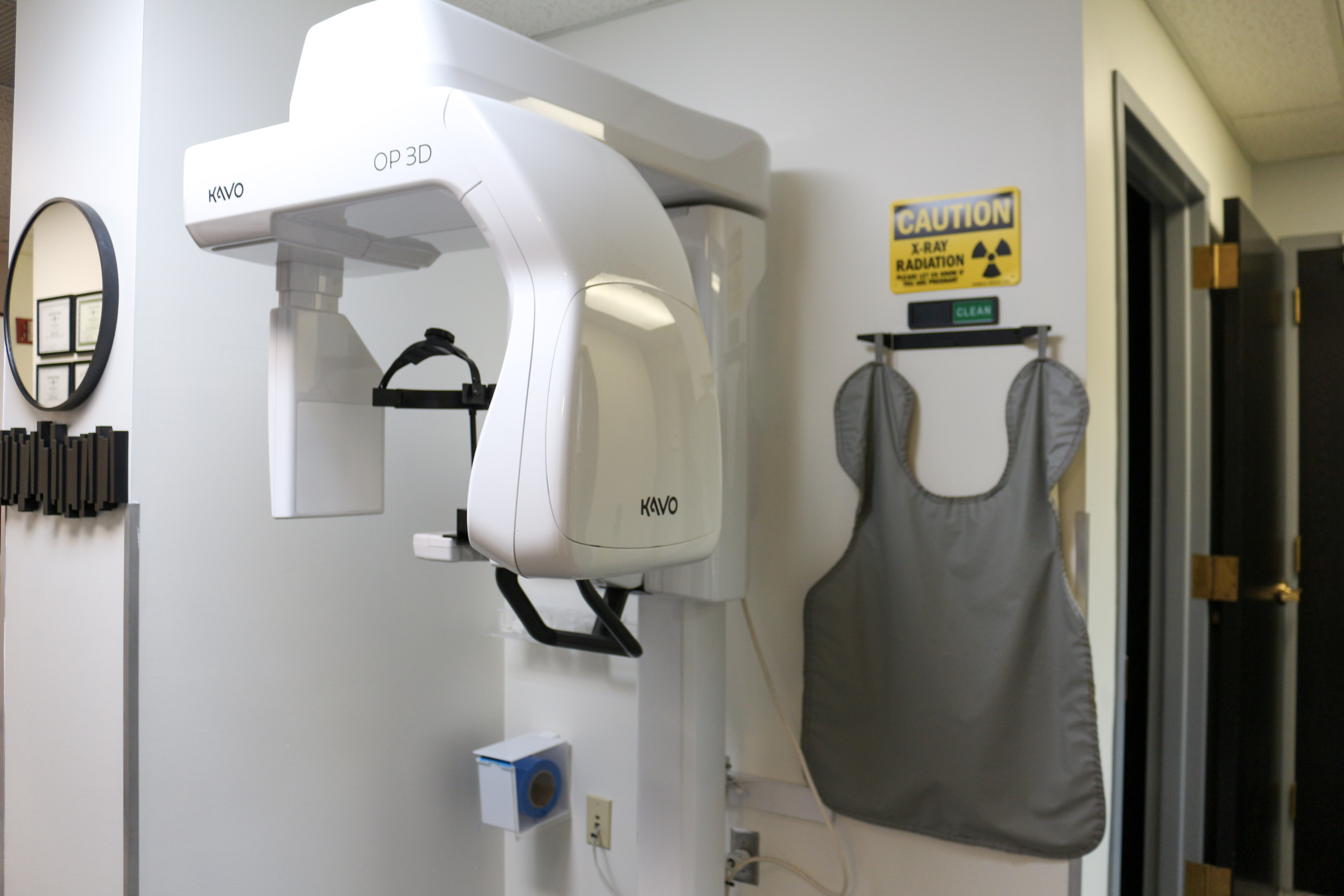
Oral examination
With an oral examination and x-rays, our doctors can evaluate the position of your wisdom teeth and predict whether present or future problems are likely.
Studies have shown that early evaluation and treatment can lead to a better outcome. Patients are often first evaluated in their mid-teenage years by a dentist, orthodontist, or oral and maxillofacial surgeon.
All outpatient wisdom tooth surgery is performed with appropriate anesthesia to maximize comfort. Our doctors are trained, licensed, and experienced in providing anesthesia options for oral surgery patients.
Best timing
Many patients heal faster and more predictably when wisdom teeth are treated in the teenage years or early twenties, before roots fully mature and jawbone becomes denser.
Why remove wisdom teeth
If there is not enough room for third molars to fully erupt, impacted wisdom teeth can cause problems with gum tissue, neighboring teeth, jaw bone, and future dental stability.
When there is not enough room for full eruption, gum tissue around a wisdom tooth can become irritated or infected, causing recurrent pain, swelling, and difficulty chewing or swallowing.
Cysts can develop around impacted wisdom teeth and gradually damage nearby jawbone or teeth. These problems are often harder to treat when removal is delayed.
Impacted wisdom teeth may contribute to crowding, especially around the lower front teeth after braces or during early adulthood.
If a wisdom tooth is difficult to clean around, the second molar in front of it can be affected by gum disease, bone loss, or decay.
Day of surgery
Most patients prefer to be unaware of the experience and choose sedation. At consultation, anesthesia options are reviewed, and the team explains how to prepare for the appointment.
Anesthesia options reviewed at consultation
Adult escort needed for the appointment and rest of day
Typical procedure time is about 30 to 60 minutes
Most patients are in the office about 90 minutes
Modern monitoring and sterilization protocols
Before surgery
On the day of surgery, it is important to follow food and drink instructions closely. Having anything in your stomach can increase the risk of anesthetic complications, including nausea and vomiting.
Recovery
Dissolving stitches, gum swelling, and a pulling sensation can be normal. Clear liquids are usually recommended first, with your diet increasing gradually as your body permits.
Schedule a consultation
We will review your x-rays, discuss anesthesia options, answer your questions, and explain cost and insurance expectations before surgery.