
01
Evaluate bone height
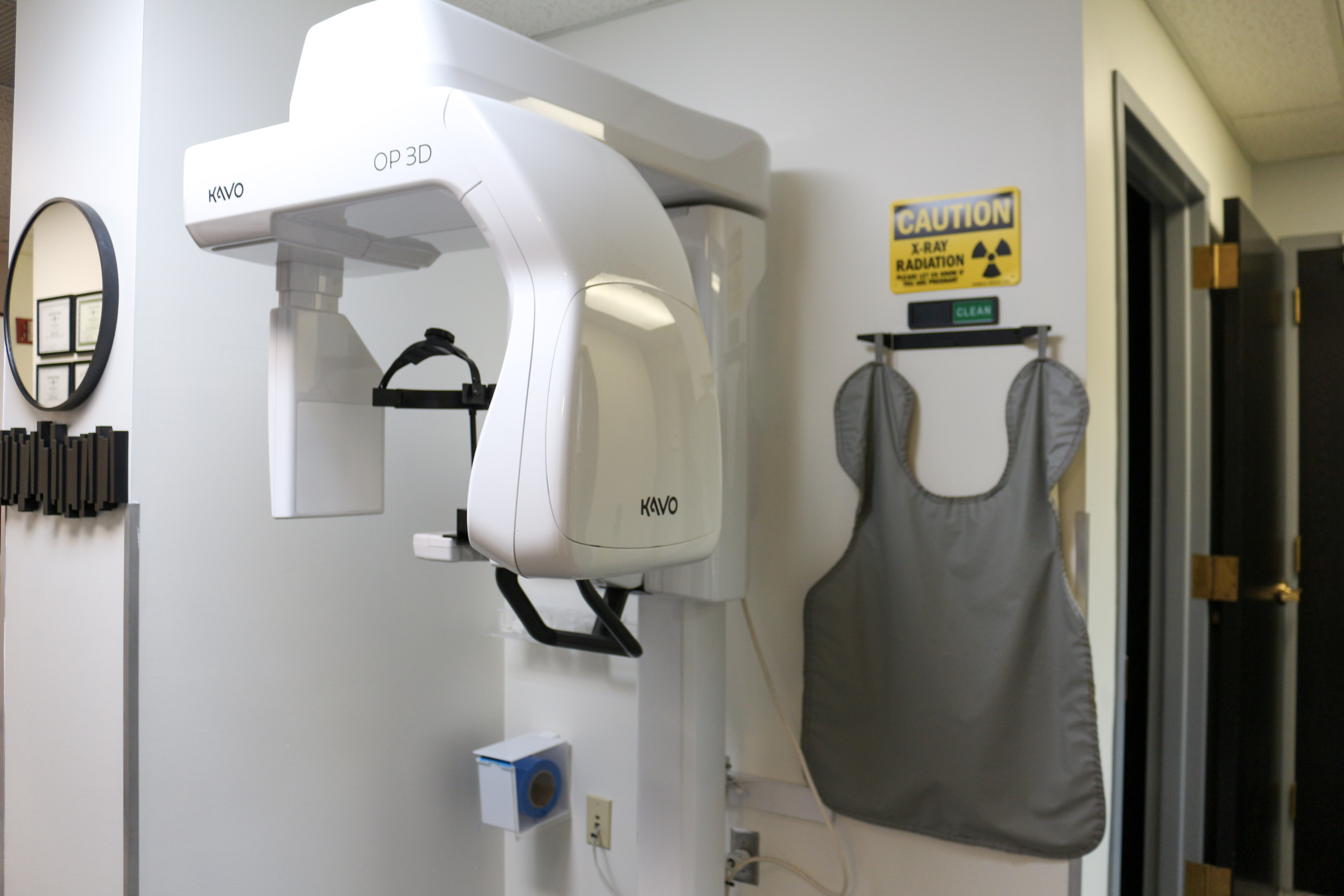
Imaging shows how much bone remains between the upper jaw and the maxillary sinus where a future implant may be placed.
Procedures
A sinus lift adds bone to the upper back jaw when the maxillary sinus sits too close to the area where a dental implant needs support.
Upper jaw bone grafting
The maxillary sinuses sit above the upper back teeth. When upper molars or premolars are removed, the sinus may expand downward while the supporting jawbone shrinks.
This can leave too little bone height for a dental implant. A sinus lift, also called sinus augmentation, creates space for graft material beneath the sinus membrane.
After healing, the grafted area can provide more stable support for implant placement and long-term restoration.
Why timing matters
The longer upper back teeth are missing, the more likely sinus changes and bone loss may affect implant planning.
How it works
The exact approach depends on your anatomy, the amount of bone present, and whether implant placement is planned at the same visit or after the graft has healed.
Imaging shows how much bone remains between the upper jaw and the maxillary sinus where a future implant may be placed.
The surgeon creates a small opening in the upper jaw near the missing molar or premolar site to reach the sinus membrane safely.
The sinus membrane is gently elevated to create space between the sinus floor and the jawbone.
Bone graft material is added into that space so the area can heal with more height and support for future implant placement.
Why it helps
A sinus lift helps restore the vertical bone support needed in the upper back jaw, where natural bone is often limited after long-term tooth loss.
Adds bone height in the upper back jaw
Improves implant placement options
Restores support after long-term molar loss
Helps create a stronger implant foundation
Healing timeline
Depending on the amount of bone needed, the graft may heal before an implant is placed, or the implant may be placed at the same appointment when anatomy allows.
Careful planning
Detailed planning allows the surgeon to evaluate sinus anatomy, bone height, and the safest way to rebuild support for your restoration.
Rebuild upper jaw support
We will review your imaging and explain whether sinus augmentation belongs in your implant treatment plan.