
01
Planning
Your surgeon reviews your health history, imaging, bone anatomy, and comfort options before surgery. Antibiotics, IV sedation, nitrous oxide, and local anesthesia may be discussed at your consultation.
Dental implants
A single dental implant can replace one missing tooth with a stable, natural-feeling foundation. Our surgeons plan each placement carefully, focusing on comfort, precision, healing, and long-term support for your final crown.
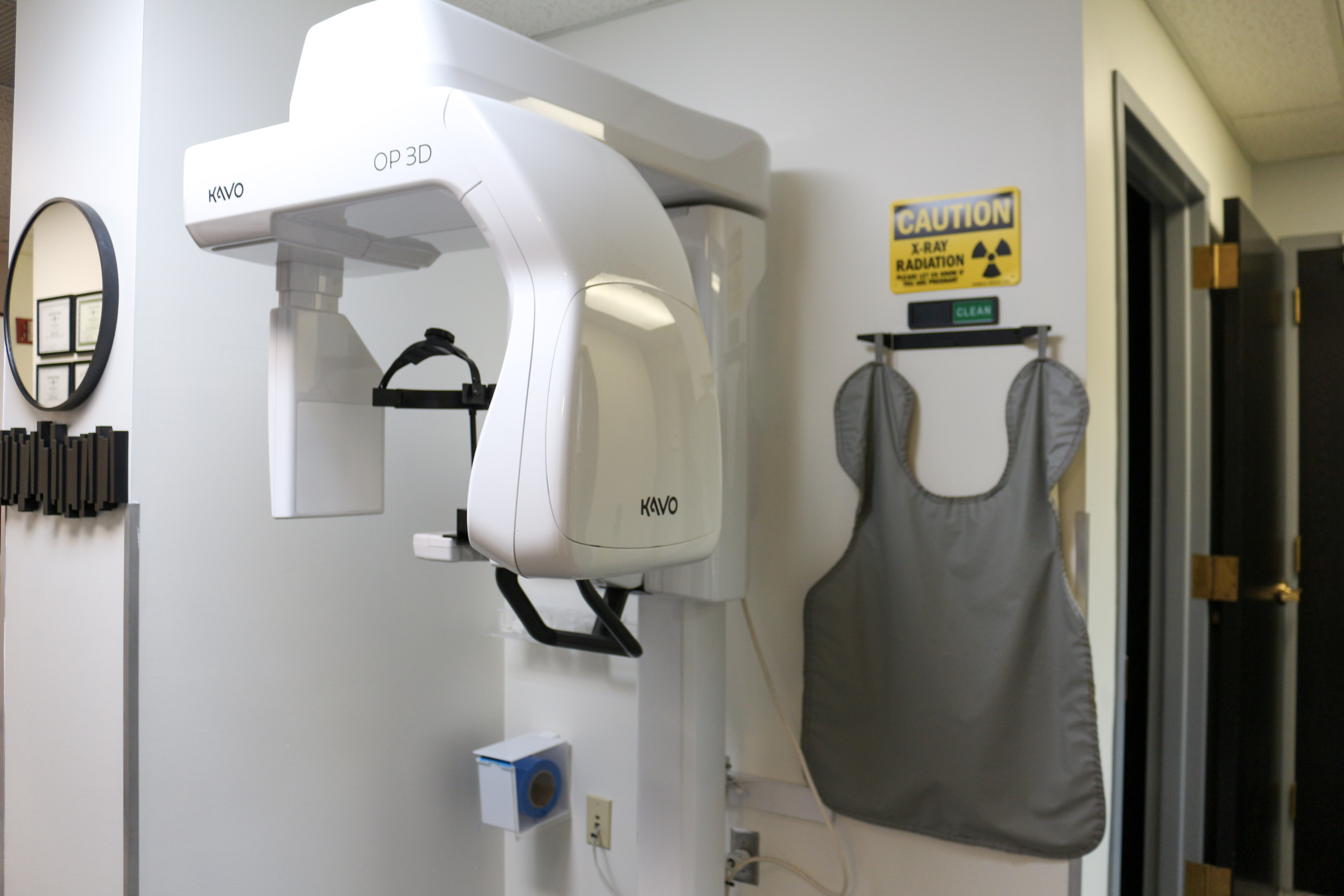
Implant placement
Placing one dental implant often takes 30 to 60 minutes, though each patient’s timing and number of appointments can vary. Your surgeon brings careful attention to the details of your case before and during treatment.
Before surgery, comfort options such as IV sedation or nitrous oxide may be reviewed with you. A local anesthetic is also used to numb the implant site.
When you are comfortable, the surgeon gently opens the gum tissue, prepares the bone with specialized instruments, and places the titanium implant. Depending on healing needs, the implant may be visible or covered by gum tissue during the early phase.
Appointment timing
Single implant placement is usually a focused visit, but complete treatment includes planning, healing checks, and coordination with your dentist for the final crown.
What to expect
Implant treatment is a collaboration between your oral surgeon and restorative dentist. The surgeon places the implant and monitors healing; your dentist completes the visible replacement tooth.
Your surgeon reviews your health history, imaging, bone anatomy, and comfort options before surgery. Antibiotics, IV sedation, nitrous oxide, and local anesthesia may be discussed at your consultation.
A local anesthetic is used to numb the area where the implant will be placed. The goal is a calm, precise visit with your comfort clearly planned before treatment begins.
Once you are comfortable, the surgeon makes a small incision in the gum tissue, prepares the space with specialized instruments, and gently places the titanium implant into the bone.
In some cases the top of the implant remains visible through the gum. In other cases, it is better for early healing to have the implant covered by the gum tissue.
Healing and follow-up
Healing varies from person to person based on bone quality and quantity. After the first healing phase, your surgeon may place an abutment or healing cap during a brief follow-up visit so gum tissue can mature and the implant can be accessed for restoration.
Tooth loss
Healed bone
Implant placed
Healing
Implant restored
Placement timing
Implants are often placed several months after extraction. In some cases, an implant can be placed immediately after a tooth is removed, though infection or bone concerns may make immediate placement a poor fit.
Implant count
Most often, one implant is placed for each missing tooth. Larger back teeth may need a different plan because they naturally have multiple roots, and additional options exist when most or all teeth are missing.
Reclaim confidence
We will evaluate your needs, review imaging, and explain whether a single tooth implant is the right path for your smile.