
01
How long do dental implants last?
Titanium implants are designed to integrate with the jawbone and can last a very long time. The visible restorations, such as crowns or fixed dentures, may eventually need repair or replacement.
Dental implants
Dental implant treatment raises good questions about comfort, timing, healing, cost, and long-term success. These answers help you understand what to expect before your consultation.
Frequently asked questions
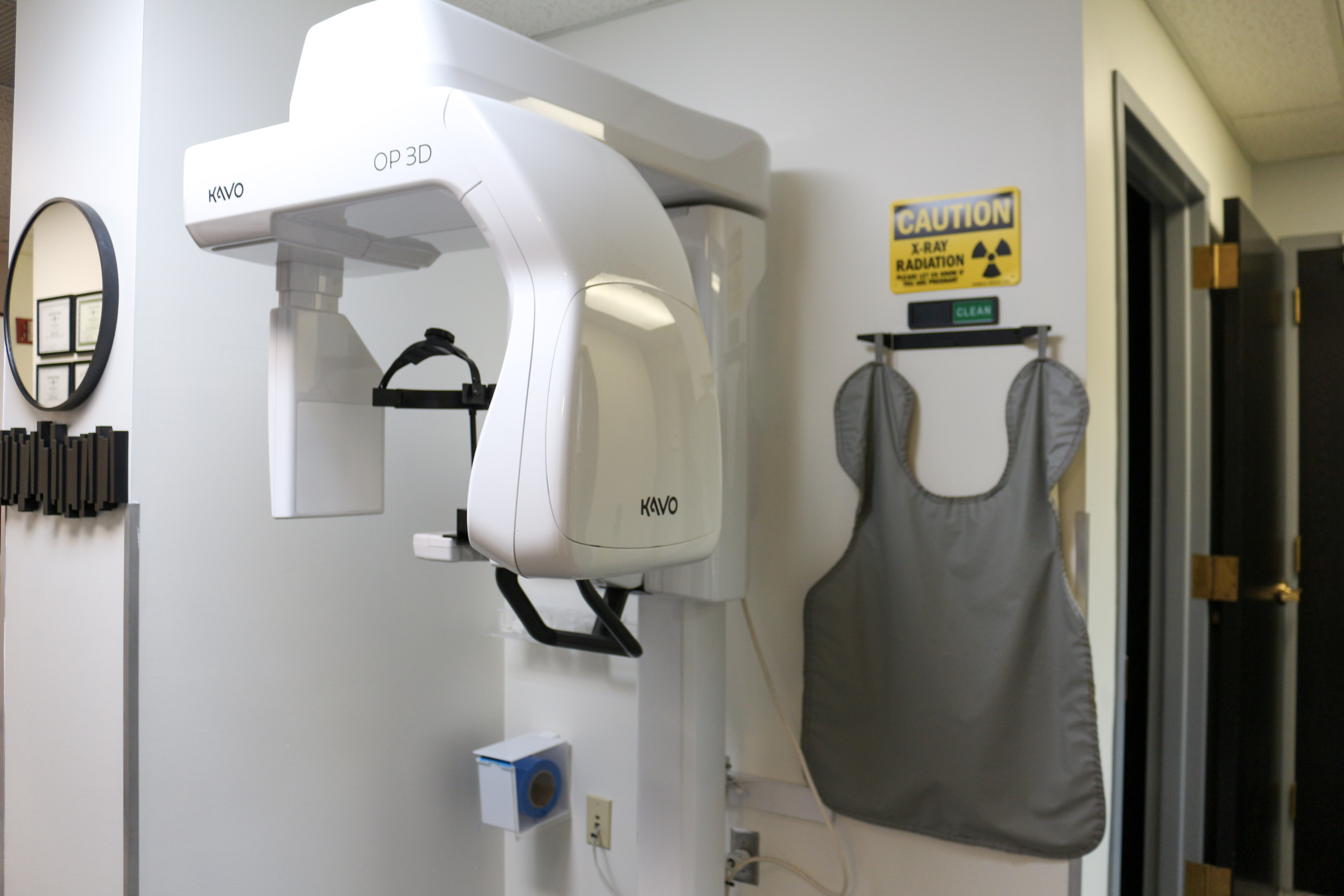
Our oral surgeons use current technology, careful planning, and high quality materials to support precise implant placement and natural looking results.
Many doctors refer complex dental implant cases to our office because implant care requires training, judgment, and experience. We want you to understand your options before making a decision.
A consultation is still the best way to answer questions specific to your health, jawbone, number of missing teeth, timeline, and budget.
Why choose a specialist?
Implant placement can become complex when bone loss, multiple missing teeth, or medical considerations are involved. A specialist team can plan for precision, comfort, and long-term stability.
Patient questions
These answers cover longevity, work recovery, pain, swelling, and when grafting may be needed before implant treatment.
Titanium implants are designed to integrate with the jawbone and can last a very long time. The visible restorations, such as crowns or fixed dentures, may eventually need repair or replacement.
Some patients return to work the next day after a single tooth implant. Patients receiving multiple implants may rest at home for two or three days before returning to normal activity.
The area is numbed with local anesthetic, and sedation may be used to ease anxiety. Mild pain and swelling during the first few days are commonly managed with over-the-counter medication, ice, and head elevation.
It depends on your jawbone health. If there is not enough width, height, or density to support implants, bone grafting may be recommended to strengthen and reshape the jawbone.
Treatment timing
Implant surgery can be quick for one tooth and longer for multiple implants. After surgery, the jawbone and gums usually need time to heal before permanent restorations are placed.
Single implant surgery can take as little as 30 minutes
Multiple implants may take several hours
Typical healing before restoration is three to four months
Immediate implants may reduce the wait to six to eight weeks
Cost and treatment time vary by patient
Cost considerations
Dental implants can be more expensive than other tooth replacement options, and insurance coverage varies. They also require healing time before the final restoration is attached.
Consultation
Your jawbone health, number of missing teeth, medical history, and restorative goals all affect the recommendation. A consultation helps clarify timing, grafting needs, cost, and next steps.
Reclaim confidence
We will review your goals, explain your options, and help you decide whether dental implants are the right solution for your smile.