
01
Missing teeth
When teeth are missing for a period of time, the jawbone can shrink or resorb. This can affect implant options, tooth position, and facial support.
Procedures
Bone grafting helps rebuild jawbone where it has thinned, softened, or resorbed. Restoring that foundation can make dental implants possible and help protect long-term function and facial support.
Major & minor bone grafting
Missing teeth can allow the jawbone to atrophy over time. As bone volume changes, there may be less support for dental implants, and the surrounding teeth and facial structure can also be affected.
Bone grafting gives the team a way to build bone where it is needed. That added support can help make implants the right length and width possible while improving function and appearance.
Some grafting needs are minor and focused on a future implant site. Larger defects from injury, tumor surgery, or developmental concerns may require more extensive reconstruction.
Why timing matters
Rebuilding bone before implant placement can preserve more treatment options and reduce the chance that tooth replacement becomes more complicated later.
When grafting helps
Your treatment plan depends on the location of the missing tooth, the amount of remaining bone, the cause of bone loss, and the type of restoration being planned.
When teeth are missing for a period of time, the jawbone can shrink or resorb. This can affect implant options, tooth position, and facial support.
Extraction sites may not always heal with enough height, width, or density for future implant placement. Grafting can rebuild the area before treatment.
Bone loss from periodontal disease, trauma, or other defects may need reconstruction before the jaw can support a stable restoration.
Sinus grafting can restore bone in the posterior upper jaw when the sinus is close to the area where an implant needs to be placed.
Grafting materials
Bone may come from a tissue bank or, for some larger repairs, from another area of your own body. Protective membranes may also be placed under the gum to help guide new bone growth as the area heals.
Tissue-bank grafting material
Bone from another area of your own body
Sinus bone grafting for the upper jaw
Protective membranes for guided regeneration
Guided regeneration
In some cases, a dissolvable membrane is placed beneath the gum tissue. This helps shield the grafted area and supports guided bone or tissue regeneration during healing.
Major bone grafting
Major grafts can repair defects related to trauma, tumor surgery, or congenital concerns. These cases may use the patient's own bone and are often performed in an operating room setting.
We are here to help
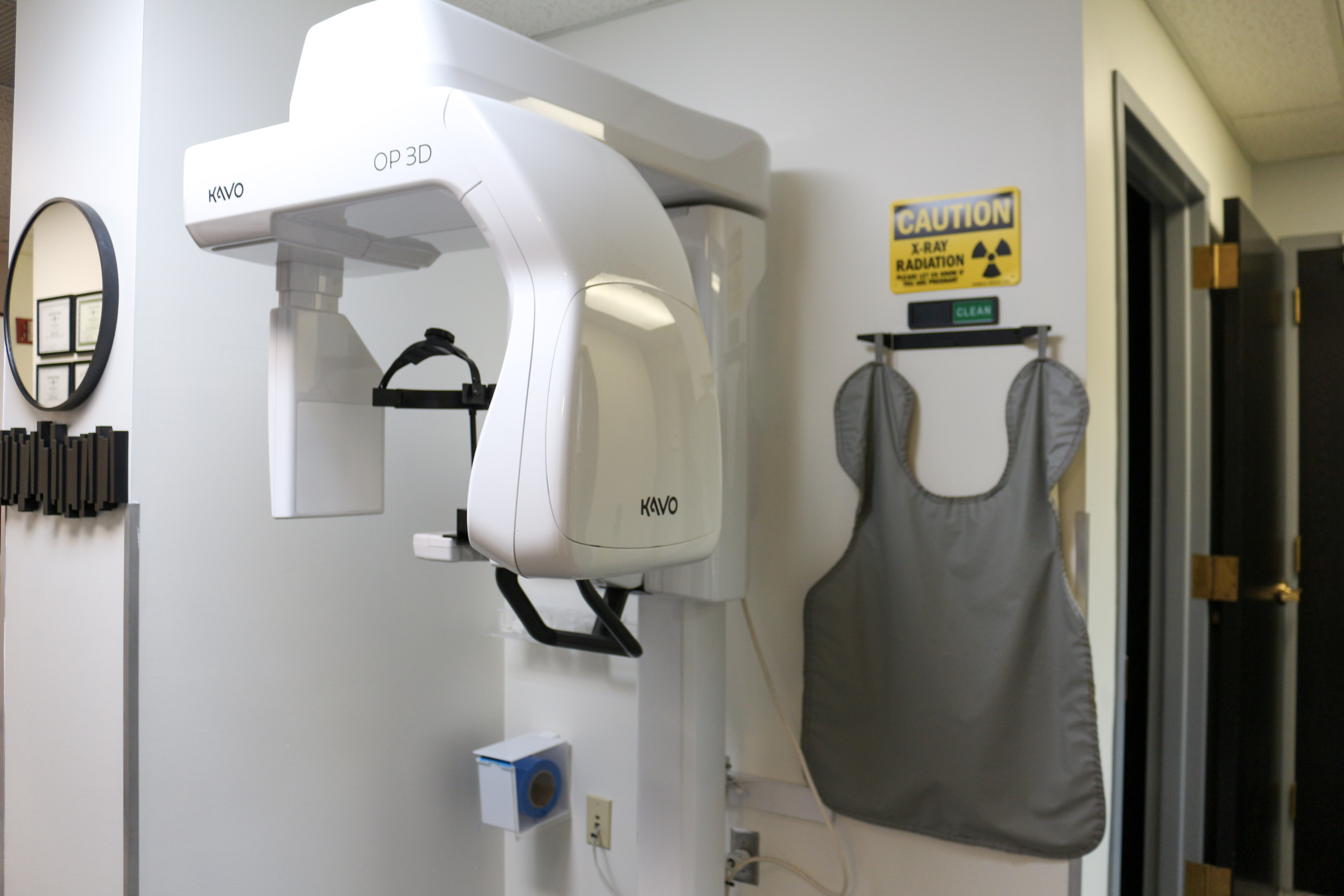
We will review imaging, explain your bone volume, and walk through the grafting options that make sense for your treatment goals.