
01
Tooth-root stimulation
Natural tooth roots stimulate the surrounding jawbone during chewing. That stimulation helps the bone maintain its height, width, and density.
Procedures
Healthy jawbone supports your teeth, bite, facial structure, and future replacement options. When bone begins to shrink, bone grafting and implant planning can help restore a stronger foundation.
Why bone health matters
Natural teeth are anchored in the jawbone. Every time you chew, the roots send small forces into the bone and help tell the body to keep that bone dense and useful.
When a tooth is lost, that stimulation disappears. Over time, the bone in that area can shrink or change shape, which may make future tooth replacement more complex.
Protecting jawbone health is one reason oral surgeons evaluate missing teeth, infection, gum disease, and implant options with care.
Early evaluation helps
The sooner bone loss is identified, the more options there may be for preserving bone, rebuilding support, and planning a stable restoration.
What keeps bone strong
Good planning looks at the full picture: tooth position, gum health, bite forces, missing teeth, and whether grafting is needed before an implant can be placed safely.
Natural tooth roots stimulate the surrounding jawbone during chewing. That stimulation helps the bone maintain its height, width, and density.
When a tooth is missing, the bone no longer receives the same signal to stay strong. Earlier evaluation can help preserve more replacement options.
Periodontal disease can damage the structures that hold teeth in place, including the bone around them. Treating infection helps protect the jaw.
Dental implants can help restore function while giving the jawbone helpful stimulation again, but they need enough healthy bone for support.
Bone loss risks
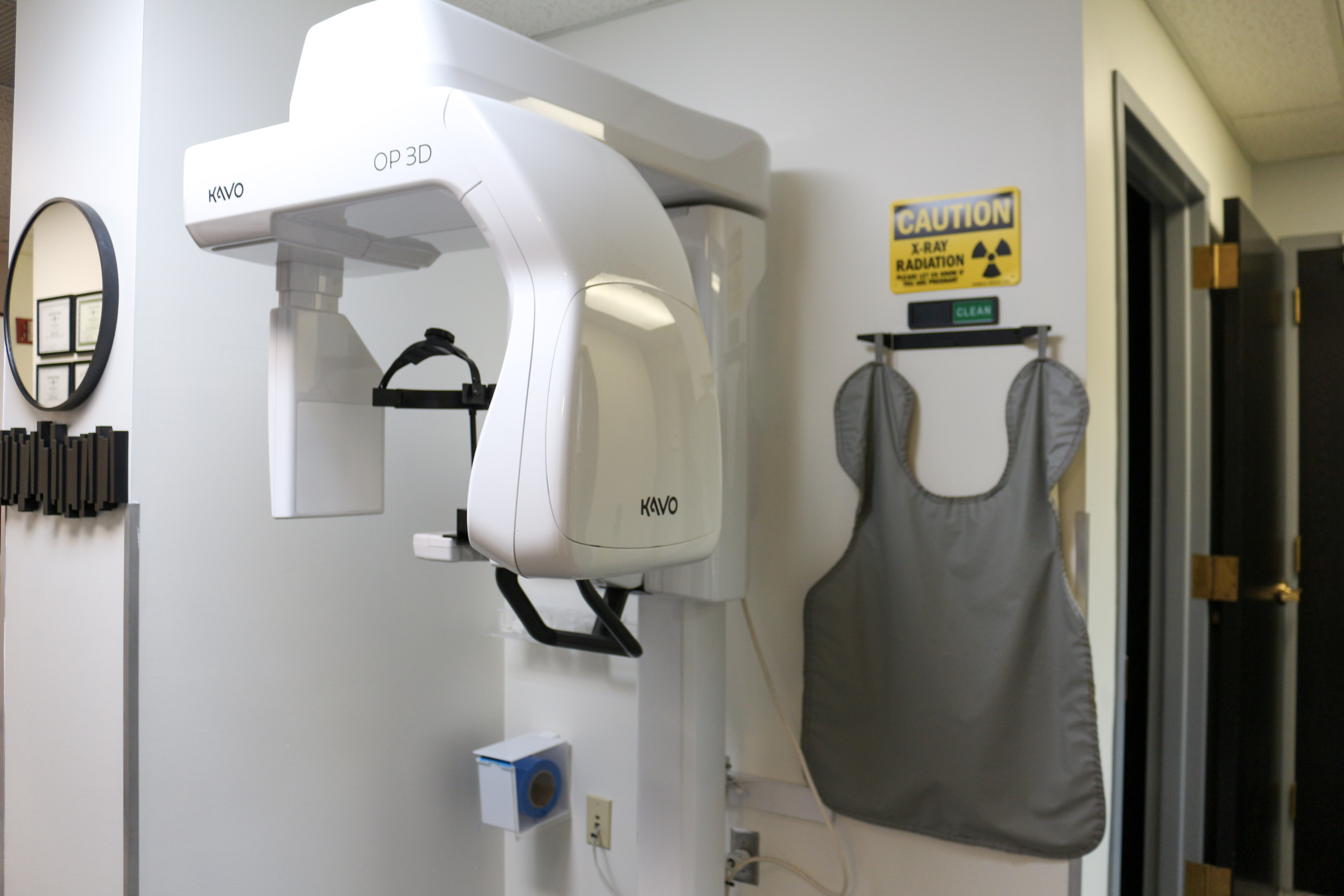
Bone loss is often gradual, which means patients may not notice it right away. Imaging helps show whether the jaw has enough support for the treatment being planned.
Missing teeth
Periodontal disease
Dental trauma
Infection
Poorly fitting dentures
Bone grafting
When bone has resorbed, grafting material can be placed to encourage new bone formation. The goal is to create healthier height, width, and density for future treatment.
Dental implants
Dental implants can replace tooth roots and support crowns, bridges, or dentures. They are planned around the amount and quality of bone available.
Protect your options
We can review your imaging, explain what has changed, and recommend the next step for preserving or rebuilding support.