Capital Oral Surgery logo
← Services

Dental implants

After implant placement.

Healing after dental implant surgery is easier when you know what to expect. These answers explain temporary teeth, recovery concerns, restoration timing, cleaning, maintenance, and care coordination.

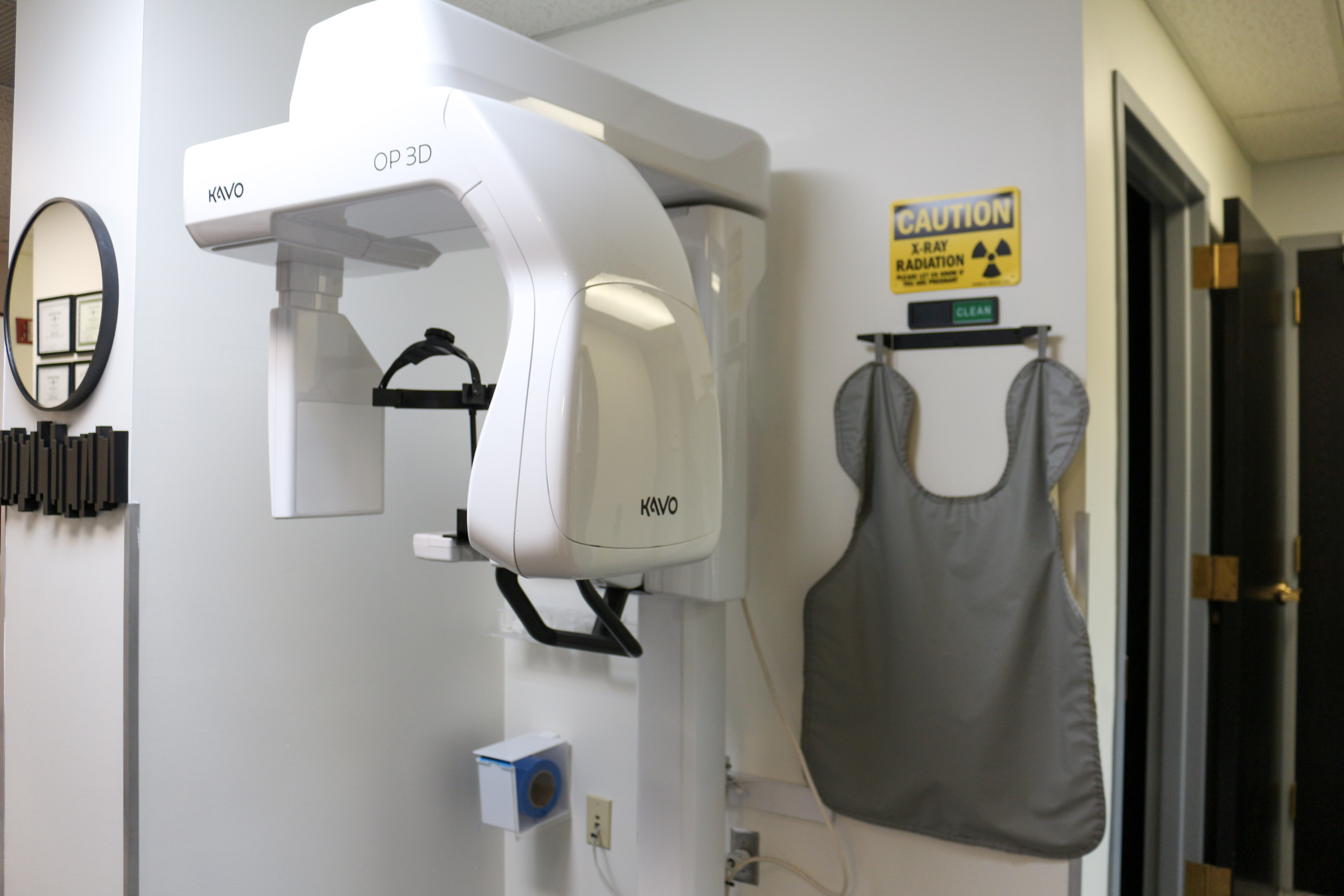
3D dental imaging equipment used for dental implant planning

After surgery

Practical answers for the healing and restoration phase.

The period after implant placement can involve temporary teeth, healing visits, restorative planning, and routine maintenance. Your treatment sequence depends on the number of teeth being replaced, bone healing, implant stability, and your final restoration.

Pain medication and antibiotics may be prescribed to support an easier recovery. If you notice post-operative numbness, unusual tingling, or signs of infection, contact the office so your care can be managed appropriately.

Every implant case is different, so your surgeon and dentist will review the most appropriate timeline for your replacement teeth.

Call with questions

If something feels different than expected after surgery, it is always better to call. Early communication helps us guide your recovery.

Common questions

What patients ask most after implant placement.

These questions cover the early healing period, long-term expectations, and when the final restorative work begins.

01

What can i use for teeth while implants heal?

Temporary removable teeth, a temporary bridge, or a modified denture may be available while implants heal. In some cases, temporary transitional implants or immediate loading can provide non-removable teeth during healing.

02

What problems can happen after surgery?

Most patients do not experience severe pain, and medication may be prescribed to support recovery. Infection, adjacent tooth injury, or altered nerve sensation are uncommon but possible concerns that should be reported promptly.

03

How long do implants last?

Dental implants usually last a long time. Long-term studies show strong success rates, though an implant that fails to heal or becomes loose may need removal and replacement after healing.

04

When are replacement teeth attached?

Replacement teeth are usually attached once the jawbone has healed firmly around the implant. Depending on your case, restoration may begin immediately, shortly after placement, or after a longer healing phase.

Cleaning and maintenance

Implant-supported teeth need regular care, just like natural teeth.

Cleaning, hygiene visits, and maintenance help protect your implant restoration. Components can wear over time, so repairs, relines, screw tightening, clip replacement, or adjustments may eventually be needed.

Brush and clean implant-supported teeth regularly

Use floss or recommended cleaning aids

Visit your dentist for hygiene and maintenance

Expect periodic repairs or adjustments over time

Keep all scheduled surgical and restorative visits

Care team

Will one doctor do everything?

Usually, your oral surgeon places the implant and performs related surgical care, while your general dentist provides temporary and permanent replacement teeth. Both doctors help plan your treatment.

Cost planning

Costs depend on the full treatment plan.

Estimates may include diagnostic work, surgical templates, implants, abutments, crowns, dentures, temporary restorations, and periodic maintenance. Insurance coverage can also vary.

Reclaim confidence

Have a question after implant placement?

Our team is here to help you understand healing, temporary teeth, restoration timing, and the next steps in your implant treatment.