
01
Autogenous bone
In some cases, bone can be taken from another area of your own body and transferred to the area that needs rebuilding.
Procedures
Bone grafting is a way to replace or rebuild missing jawbone. It can restore the foundation needed for implants, improve oral function, and help preserve natural facial support.
Bone grafting overview
Teeth help stimulate and maintain the bone around them. When teeth are missing for a long period of time, the jawbone can shrink, leaving less height, width, or quality for future tooth replacement.
Bone grafting places graft material where support is needed. Over time, the grafted area can become a stronger foundation for dental implants or other restorative planning.
The size and location of the defect determine whether the procedure is a focused site graft or a more advanced reconstruction.
Planning starts with imaging
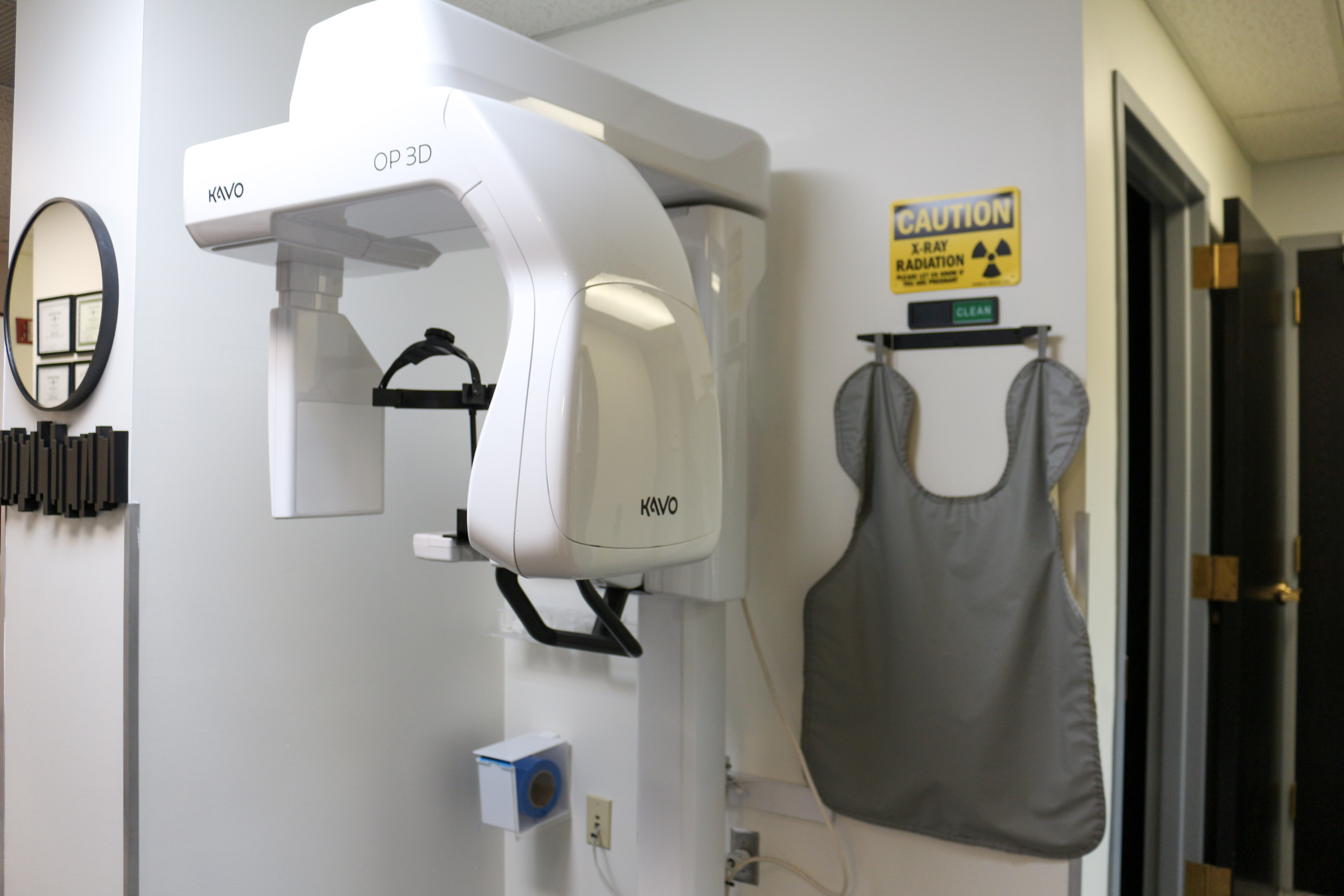
Detailed imaging helps the surgeon evaluate bone volume, choose the right grafting approach, and explain how the graft fits into the full treatment timeline.
Grafting materials
Grafting material acts as a scaffold for healing. Depending on the amount of bone needed, it may come from your own body, a tissue bank, or another carefully selected grafting material.
In some cases, bone can be taken from another area of your own body and transferred to the area that needs rebuilding.
Processed donor bone can provide a framework for your body to gradually replace and remodel with new bone during healing.
Some grafting plans use advanced materials designed to support new bone formation and protect the shape of the grafted site.
A protective membrane may be placed beneath the gum tissue to help shield the graft and encourage bone to grow in the right space.
Treatment goals
Bone grafting can improve the quality and quantity of bone available for restoration while helping preserve oral function and appearance.
Restore jawbone height and width
Improve dental implant options
Support function and facial structure
Repair defects from trauma or disease
Minor grafting
Smaller grafts are often used to repair an extraction site or rebuild a localized area before implant placement. Healing time varies by the amount of bone needed and the final restoration plan.
Major grafting
More extensive grafting may be needed after trauma, tumor surgery, or congenital defects. These procedures are planned carefully around the size of the defect and the healthiest donor or grafting source.
Rebuild the foundation
Our team will review your imaging, explain the condition of your jawbone, and map out the next step with clarity.